Home › Blog › Staying Home After Water Damage
Published October 18, 2026 — by Cheyenne Water Damage Pros
Is It Safe to Stay in Your Home After Water Damage?
Fast answer: It depends on three things — what kind of water you're dealing with, whether electricity is involved, and whether anything structural was damaged. Clean water from a burst supply line is usually manageable. Sewage backup, water near your breaker panel, or sagging ceilings are not. This guide walks you through the decision, room by room.
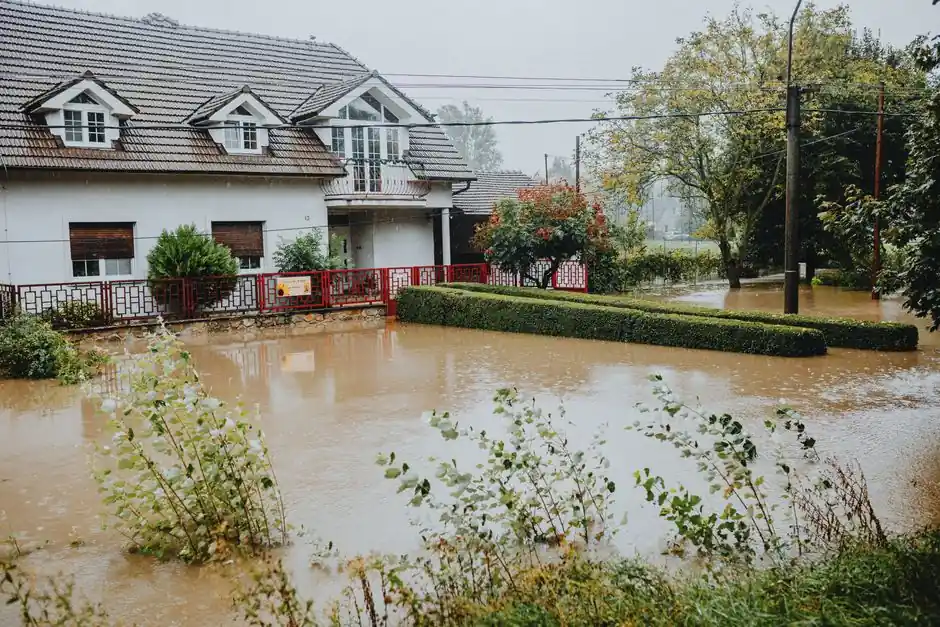
A flooded laundry room at 11 p.m. forces a practical question most guides skip: do we sleep here tonight or drive to a hotel? There is no single right answer — a burst pipe and a backed-up sewer are completely different emergencies that happen to share the word "water." The decision comes down to contamination, electricity, and structure. Get those three right and the rest is logistics. Get one wrong and you're gambling with things that can genuinely hurt people. When a Cheyenne homeowner calls us unsure, this is exactly the framework we talk through — and it starts with identifying what kind of water is on the floor.
The Three Water Categories — and What Each Means for Staying
Category 1: Clean water (stay, with precautions)
This is water straight from the supply: a burst pipe, a failed supply line to a toilet or fridge, a supply hose that split overnight. It entered your home clean and hasn't touched anything contaminated. Most families can stay in the house while dealing with it. Shut the water off at the source, keep everyone out of the wet rooms, and call for water removal — but you don't need to evacuate the upstairs bedrooms over it.
Category 2: Gray water (stay, but keep your distance)
Washing machine discharge, dishwasher overflow, a leaking water heater — water that carries detergents, dirt, and mild contaminants. It's not an emergency evacuation trigger, but don't treat it like clean water. Keep children and pets out of the affected area, avoid wading through it barefoot, and don't let it sit: gray water degrades and becomes unsanitary within roughly 48 hours. If it lingers that long, professionals treat it as if it were the next category down.
Category 3: Black water (leave the affected area, call now)
Sewage backup, toilet overflow beyond the bowl, floodwater that entered from outside, or any water that may have contacted soil, chemicals, or waste. Black water carries bacteria, viruses, and pathogens — this is the category where staying is genuinely unsafe. Keep everyone, including pets, away from it entirely. Don't try to mop it up with household tools. This is exactly what our sewage cleanup service exists for, and it's the one call you should never delay.
Electrical Danger Comes First — Before Everything Else
Before you decide anything about tonight, walk this one check: is water anywhere near electricity? That includes outlets and light switches on wet walls, the breaker panel, the furnace, water heater, or washer and dryer sitting in a flooded basement. Water and electricity is the fastest path from a property problem to a life-safety problem.
- If the breaker panel is dry and untouched, you can shut off the breakers for the wet rooms yourself, then keep the rest of the house live.
- If water reached the panel or any outlet below the water line, don't touch anything electrical. Shut the main breaker off only if you can do it standing on a completely dry surface with a dry panel — otherwise, call an electrician and stay out of the wet rooms.
- Gas appliances matter too. If floodwater reached a gas furnace or water heater, shut the gas valve off and don't relight anything until it's been inspected.
Structural Warning Signs — Walk the House Before Bed
Water doesn't just ruin finishes; enough of it can compromise the parts of the house holding things up. Look for sagging or bulging ceiling drywall (it absorbs water and can drop suddenly — if a ceiling sags under water weight, don't sleep under it), soft or spongy-feeling floors, new cracks in the foundation or a basement wall that appears to be bowing inward, and doors or windows that suddenly won't close — a sign framing has swollen or shifted. Any of these means the damaged area is off-limits, and if it's widespread, the house is off-limits until it's assessed.
Air Quality: What You Breathe Tonight
The air question is mostly about timing. A clean-water leak dried within a day or two rarely creates an air problem. But once materials stay damp past about 48 hours, microbial growth can start — and the musty smell people notice a week later began as a decision nobody made. If someone in the house has asthma, allergies, or a weakened immune system, be more conservative: keep them away from damp rooms, run the HVAC fan with a clean filter if the system itself is dry, and don't sleep in a room that smells musty. The drying work itself — commercial dehumidifiers, air movers, moisture monitoring — is what keeps a water job from becoming an air job.
Who Should Leave Sooner
Healthy adults can often ride out a clean-water event with common sense. Leave earlier — even if the situation looks manageable — if the house holds young children, elderly family members, anyone with asthma or severe allergies, or anyone with a compromised immune system. Contaminants and damp air affect these groups first and hardest. There is no prize for toughing it out with a toddler crawling near gray water.
The Tonight-vs-This-Week Decision Checklist
- What category is the water? Clean or gray — stay is usually fine. Black water — the affected area is closed, and the house may need to be too.
- Is electricity safe? Breakers for wet rooms off, panel dry, appliances untouched.
- Is anything structural damaged? Ceilings flat, floors firm, walls straight.
- Can you sleep dry? Bedrooms, bedding, and the path to them completely unaffected.
- Is the heat working? In a Cheyenne winter, no heat means pipes can freeze overnight — a second burst pipe on top of the first.
If you answer "yes, safe" to all five, most families stay the night and start cleanup. If any answer is "no" or "I'm not sure," that room — or the house — waits until morning and a professional look.
When Leaving Is Non-Negotiable
Sewage anywhere inside. Water inside the breaker panel or below outlets you can't isolate. A sagging ceiling anywhere over living space. Gas smell near a wet appliance. No heat in winter. These aren't judgment calls — leave, and call. That's what a 24/7 emergency line is for: not just cleanup, but someone who can tell you over the phone whether tonight's situation is safe.
What We Do When We Arrive
Whether you stayed or left, the job starts the same way: we confirm the water source is stopped, check electrical and structural safety, and begin extraction. Standing water comes out first with commercial equipment, then the drying plan targets what you can't see — wall cavities, insulation, subflooring — with moisture meters guiding every decision. Most of the emergencies we respond to in Cheyenne are clean-water events that homeowners can safely ride out overnight; the key is starting professional drying fast enough that the cleanup never becomes a mold project. If you're unsure whether your home is safe tonight, call and describe what you're seeing — we'd rather talk you through it than have you guess. That's the difference between a local team doing water damage restoration in Cheyenne and a call center reading a script.
Staying After Water Damage — FAQs
Can I sleep in my house the night after a pipe burst?
Often yes, if the water was clean (a supply-line burst), the electricity in wet areas is shut off, nothing structural is damaged, and the bedroom is dry. But if water reached the breaker panel, sewage is involved, or ceilings are sagging, stay somewhere else that night.
Is water from a washing machine safe to be around?
Washing machine discharge is gray water — it contains detergents, dirt, and possibly bacteria, but it is far less dangerous than sewage. You can usually stay in the home, but avoid wading through it barefoot, keep kids and pets away from the affected area, and get it extracted quickly because gray water degrades toward unsanitary conditions within about 48 hours.
How do I know if my breaker panel is unsafe after flooding?
If water reached the panel box, any outlet or switch below the water line, or wiring in a soaked wall, treat the area as energized and do not touch it. Shut off the main breaker only if you can do so while standing on a completely dry surface and the panel itself is dry. When in doubt, call an electrician before re-entering wet rooms.
Does a wet basement mean I have to leave the house?
Not automatically. If the basement is the only affected area, the water is clean, and the furnace, water heater, and breaker panel down there are untouched, most families sleep upstairs safely. Leave if the basement holds sewage, water is near the electrical panel or gas appliances, or the foundation shows new cracking or bulging.
Not Sure If Your Home Is Safe Tonight?
Call and describe what you're seeing — our Cheyenne team answers 24/7 and can help you decide right now.
📞 (307) 677-9165