Basement Water Removal in Cheyenne, WY
A flooded basement cannot wait. We extract basement water fast, dry the space completely — including behind finished walls — and restore your lower level.
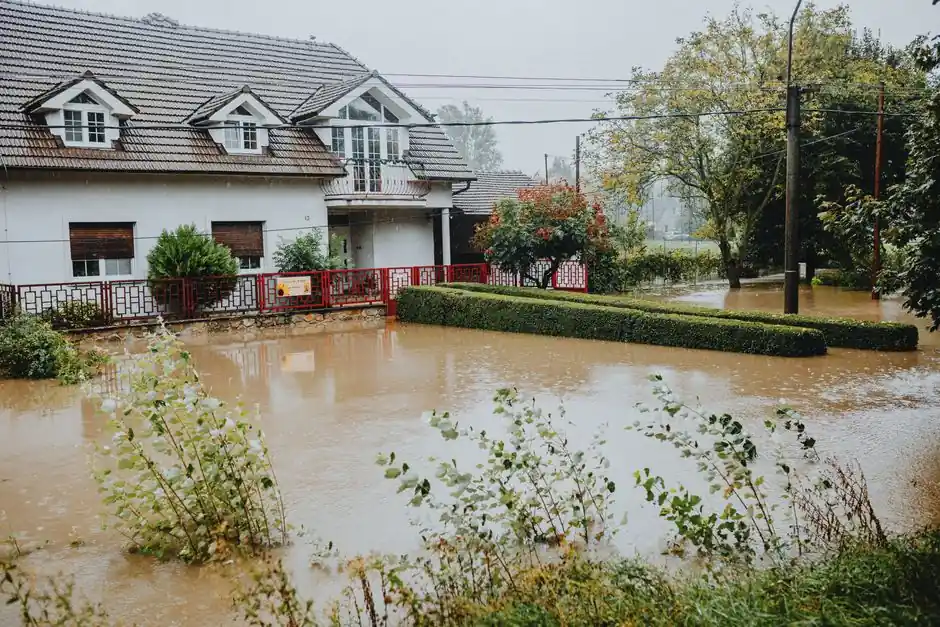
Fast answer: Basement water removal is the emergency extraction of water from a flooded or seeping basement, followed by drying of walls, flooring, and framing, and restoration of finished areas. Basements flood from sump-pump failures, foundation seepage, burst pipes, and storm runoff. Call (307) 677-9165 — our Cheyenne crew responds 24/7.
Basement-specific response. This page covers water below grade, including sump-pump failure and seepage. For flooding across your property after a storm, see flood cleanup; for drying the structure afterward, water mitigation.
Why Basements Flood — and Why They Are Harder to Dry
Basements sit below grade, which makes them the collection point for every water problem a house has. Water follows gravity: a burst pipe upstairs ends up in the basement; rain against the foundation seeps through walls and floor joints; a failed sump pump turns a storm into inches of standing water on the basement floor.
Basements are also harder to dry than above-grade rooms. Below-grade walls stay cooler, airflow is limited, and finished basements hide moisture behind drywall and under flooring where it feeds mold quietly. That is why basement jobs get moisture mapping from the start — we find where water went, not just where it is visible.
Finished vs. Unfinished Basements
Unfinished basements — concrete floors and open framing — are the more forgiving case. Water is extracted, surfaces are cleaned, and the space dries relatively quickly. Even here, we check wall bases and any stored contents for moisture.
Finished basements need more care. Drywall wicks water upward, carpet and padding saturate, and insulation inside walls holds moisture. Our approach: extract, remove unsavable materials (padding, lower drywall sections, wet insulation), dry the cavities and framing to verified standards, then rebuild — drywall, paint, flooring, and trim restored to match.
The Sump Pump Problem
A large share of Cheyenne basement floods trace back to one device: the sump pump. Pumps fail from age, get unplugged, lose power during the storm they were needed for, or cannot keep up with the inflow. If your basement flooded and the sump pit is full or the pump is silent, tell us when you call — it shapes the response.
After cleanup, we strongly recommend a battery-backup sump system and a water alarm in the pit. They are inexpensive compared to a second flood, and they protect you during the power outages that so often accompany the worst storms.
Our Basement Water Removal Process
Emergency extraction
Submersible pumps and extraction units remove standing water from the basement floor, including under stairs and in utility areas.
Contents triage
We help you separate what can be saved from what cannot — and document everything.
Moisture mapping
Meters check walls, flooring, and cavities to find hidden moisture behind finished surfaces.
Demolition of unsavable materials
Saturated drywall, padding, and insulation are removed so the structure can dry.
Drying and monitoring
Air movers and dehumidifiers dry framing and remaining materials to verified dry standards.
Restoration
Drywall, paint, flooring, and trim are restored so the basement looks like the flood never happened.
Basement Flood Response for Cheyenne Homes
Cheyenne basements see two peak seasons: spring snowmelt, when saturated ground pushes water against foundations, and summer storms that test sump pumps and window wells. Winter brings its own version — a burst pipe in an unheated basement or a failed water heater flooding a utility room. Older homes in areas like downtown Cheyenne often have stone or aging concrete foundations that seep, while newer builds rely on sump systems that need maintenance.
Wherever your basement sits in our service area — ZIP codes 82001, 82002, 82003, 82007, 82009 — our Cheyenne water damage restoration team handles the full job from first pump to final paint.
Cost Considerations
Basement jobs are scoped by water depth, area affected, whether the basement is finished, and how long water stood. An unfinished basement with an inch of clean water is a straightforward job; a finished basement that sat wet for two days needs demolition, drying, and full rebuild of walls and flooring. Contaminated water (sewage backup) adds sanitary protocols. We assess on site and explain the scope before work begins.
When to Call a Professional
Call right away when:
- There is standing water on your basement floor — any depth.
- You smell mustiness or see staining on basement walls — water is getting in.
- Your sump pump failed, is running constantly, or the pit is overflowing.
- A finished basement has wet carpet, bubbling paint, or warping baseboards.
Basement Water Removal FAQs
Can a flooded basement be fully restored?
Yes. The process — extraction, removal of unsavable materials, structural drying, and rebuild — returns finished basements to their pre-flood condition. The key is starting quickly and drying hidden cavities, not just the visible surfaces.
Should I try to pump out my basement myself?
A small amount of clean water can be shop-vacuumed, but deep water, contaminated water, or water near electrical panels should be left to professionals with proper pumps and safety equipment. Never wade into a flooded basement until power to the area is off.
How do I know if water is behind my finished basement walls?
Signs include musty odors, bubbling paint, staining at the base of walls, and baseboards pulling away. We confirm with moisture meters that read inside wall cavities — no guessing.
What is the best way to prevent basement flooding?
Maintain your sump pump (test it yearly, consider battery backup), keep gutters and downspouts clear and extended away from the house, make sure grading slopes away from the foundation, and consider a water alarm in the sump pit.
Do you handle sewage backups in basements?
Yes — sewage in a basement is a health hazard and gets sanitary handling. See our sewage cleanup service for the full protocol.
Helpful Guides
Related Services
Water Removal
Emergency extraction anywhere in the home.
Water Mitigation
Structural drying after extraction.
Mold Remediation
If basement moisture fed mold growth.
Call Now — 24/7 Emergency Service
Water damage does not wait — and neither do we. Call now and talk to our Cheyenne team about your situation.
📞 (307) 677-9165